Traditional Portuguese Architecture
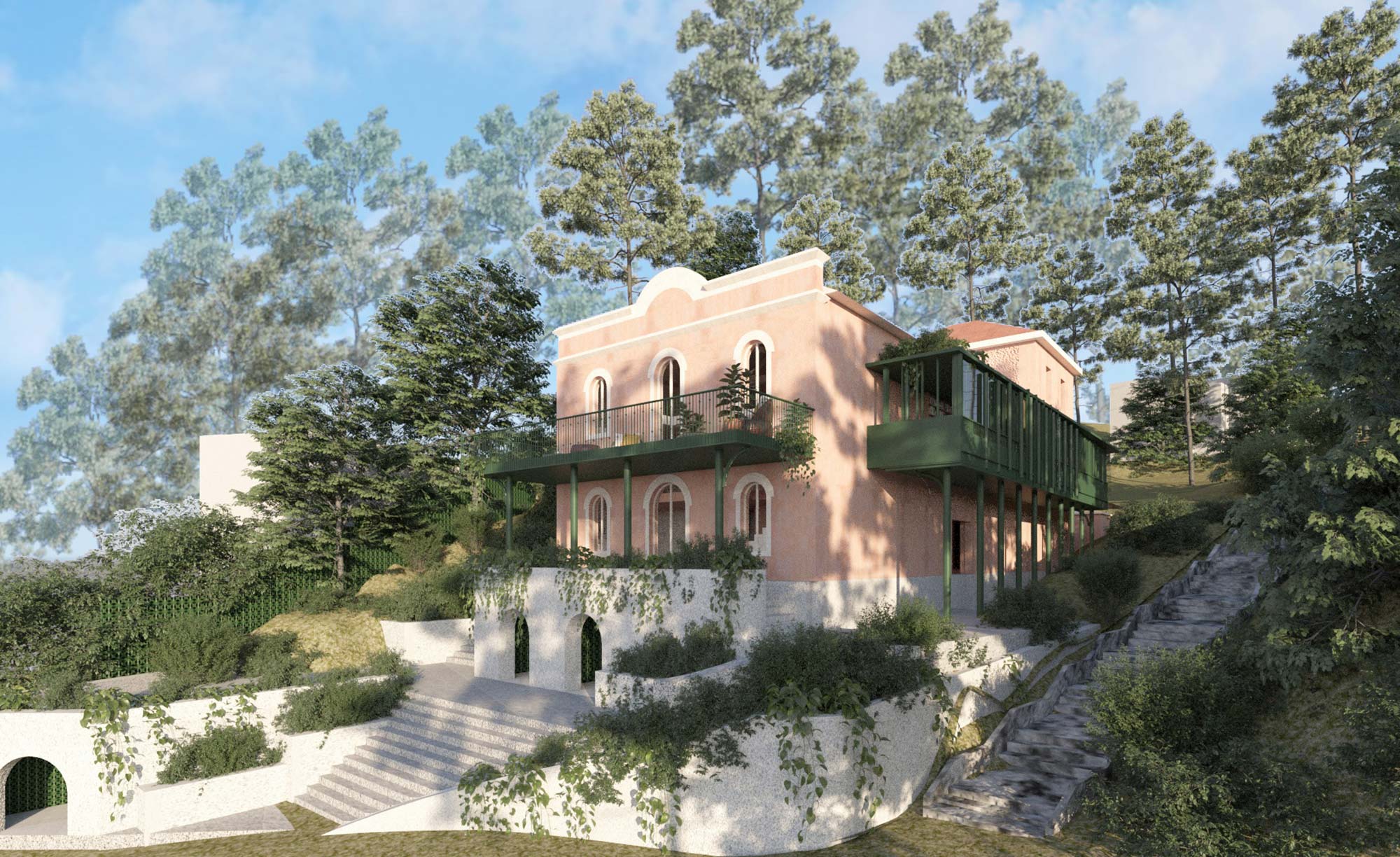
"Between tradition and innovation, we draw inspiration from vernacular architecture to create designs that are in harmony with the landscape and local culture."
Portugal is a small country, but rich and diverse in its landscape. Popular architecture varies greatly from north to south, depending on the climate, local materials and historical influences. This spontaneous architecture, without professional intervention, arises from everyday needs, available resources and knowledge passed down through generations, and is known as Vernacular Architecture.
Vernacular architecture is a reference and inspiration for us, as it is often dominant in the landscape and surroundings. Respect for the surroundings is part of our thinking, ensuring that our projects do not clash with the characteristic and striking landscape of each location. That is why we draw inspiration from vernacular architecture, combining tradition with innovation, believing that the teachings of popular architecture are important and can be improved with new knowledge.
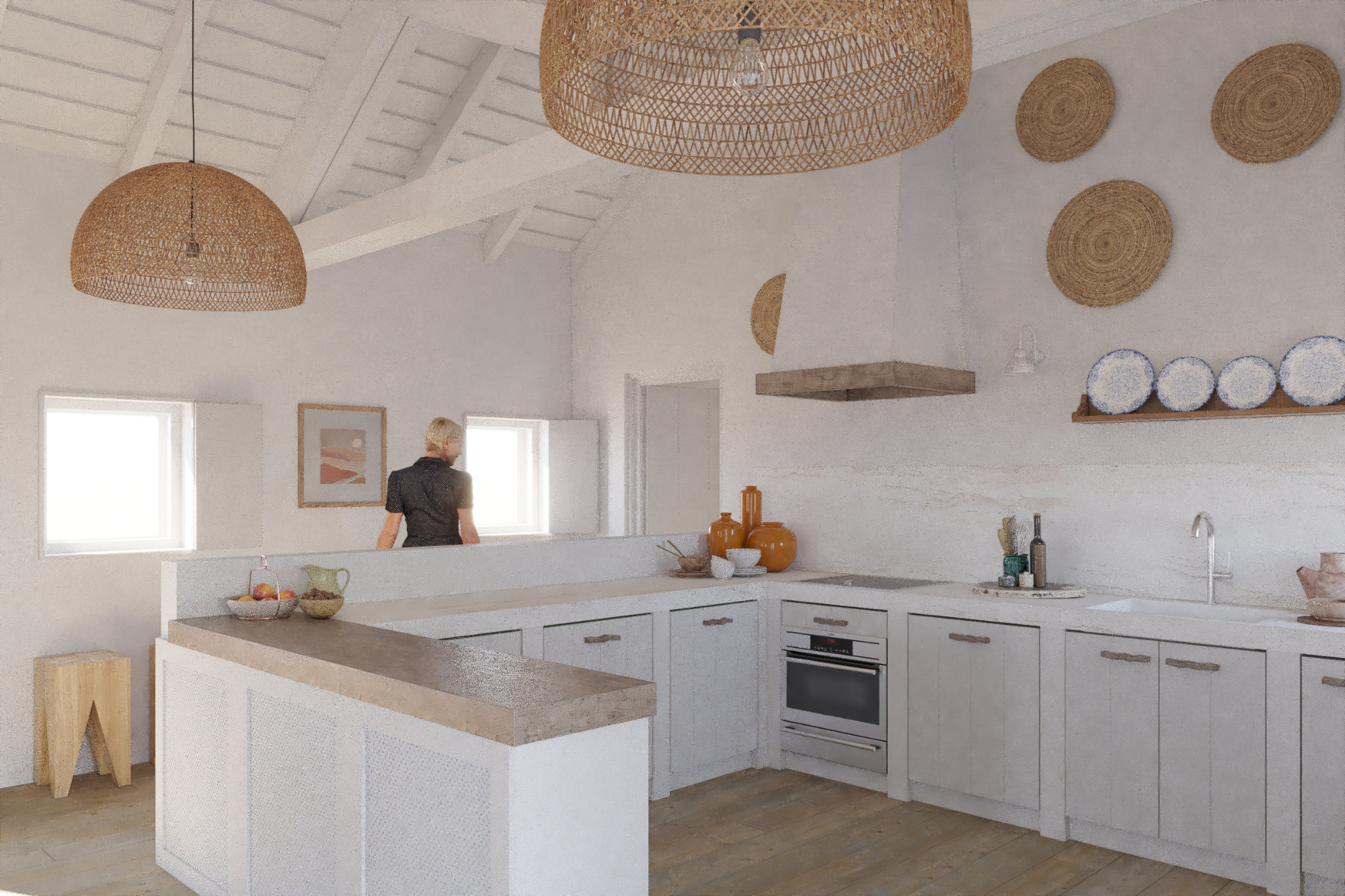
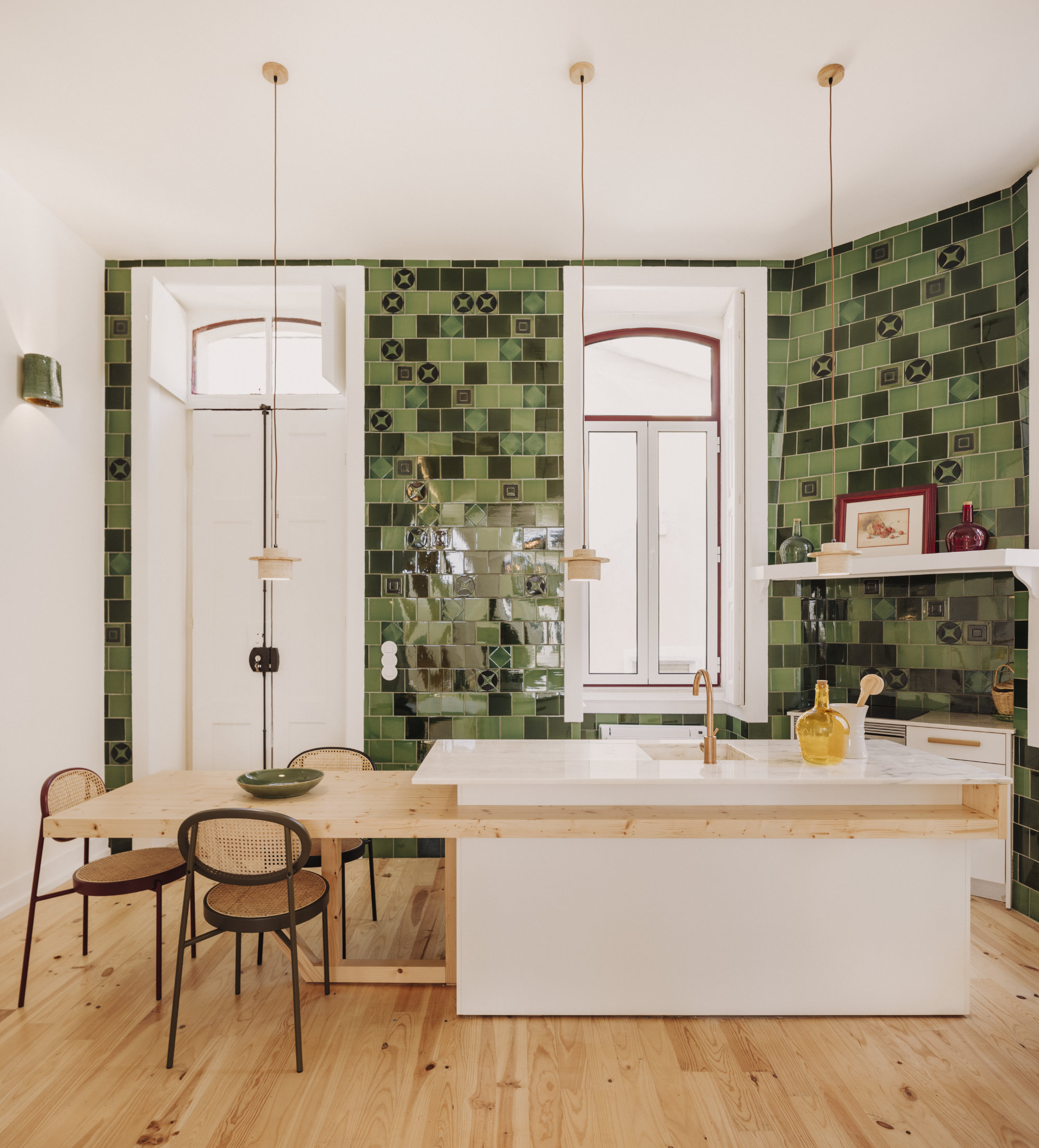
Embracing many renovation projects, we are often confronted with traditional architecture, with a certain style. It is always our philosophy to respect this style, often highlighting it through gestures that make certain details the protagonists of the space, such as structures marked by beautiful wooden beams, carpentry details, stone masonry walls, etc.

When we intervene in any area, we conduct research on all these characteristics that mark the buildings of each locality, their traditional architecture and the reasons for their characteristics, so that we can learn and respect them. We highlight a very valuable document - ‘Arquitectura Popular em Portugal’ (Popular Architecture in Portugal) - the result of a survey conducted throughout the country in the 1960s, which analysed and documented the popular architecture of each area. This is our ‘bible’ for contextualising and understanding the reference materials, the characteristics of the land and the dominant architecture.
Image Gallery